
Picking a radio for your device can feel overwhelming. The iot connectivity options come down to range, data rate and power: use Wi-Fi or Bluetooth up close, and cellular or LPWAN when your devices are far away.
This guide is part of a wider series on iot development, where connectivity is one decision among many.
| Item | Value |
|---|---|
| Wi-Fi typical indoor range | 50-100 meters |
| Bluetooth typical range | Up to 10 meters |
| Bluetooth LE data rate | Up to 2 Mbps |
| Zigbee maximum data rate | Up to 250 kbps |
| LoRaWAN rural range | Up to 15-20 kilometers |
| LoRaWAN maximum data rate | Up to 50 kbps |
These figures come from TagoIO’s wireless connectivity guide and Novel Bits. Real-world numbers change with chips, standards and environment, so check the sources before you rely on them.
What should decide your choice?
Every wireless link trades range, data rate and power against one another. Meteo Scientific names these as the three main trade-offs when you design a sensor network. It also explains that the further you send data, the less of it you can send, and that sending less data costs less power.
Before comparing products, answer four questions about your device:
- How far must the data travel?
- How much data does it send, and how often?
- Does it run on a battery or on mains power?
- Does it connect straight to the internet, or through a hub?
Distance is usually the first filter. Novel Bits calls range often the single biggest differentiator between wireless technologies, so the sections below group the options by reach.
Wi-Fi and Bluetooth for nearby devices
Wi-Fi
Wi-Fi is the usual pick when a device needs a direct connection to the internet, according to the Bluetooth SIG. The same post says it is not usually associated with low power consumption, which limits its use on small batteries for long periods.
Range is modest: TagoIO puts typical indoor reach at 50-100 meters. On a local network, Argenox reports latency of typically 1-10 ms, which suits cameras and voice assistants. Busy access points also have limits, since Novel Bits says they typically support a few dozen concurrent connections before performance degrades.
Bluetooth and Bluetooth LE
Bluetooth LE trades distance for efficiency. TagoIO describes Bluetooth as typically reaching up to 10 meters, and says BLE suits short-range links of up to 100 meters, so check which figure your product really needs.
Throughput is enough for most sensors: Novel Bits says Bluetooth LE offers up to 2 Mbps, enough for sensor data and even firmware updates. Argenox lists BLE latency at 5-50 ms, slightly higher than Wi-Fi but still quick for wearables.
The biggest advantage is the phone in your user’s pocket. Novel Bits notes that every modern iOS and Android device includes a Bluetooth LE radio, which makes it the natural choice when your product talks to an app.
Mesh networks for homes and buildings
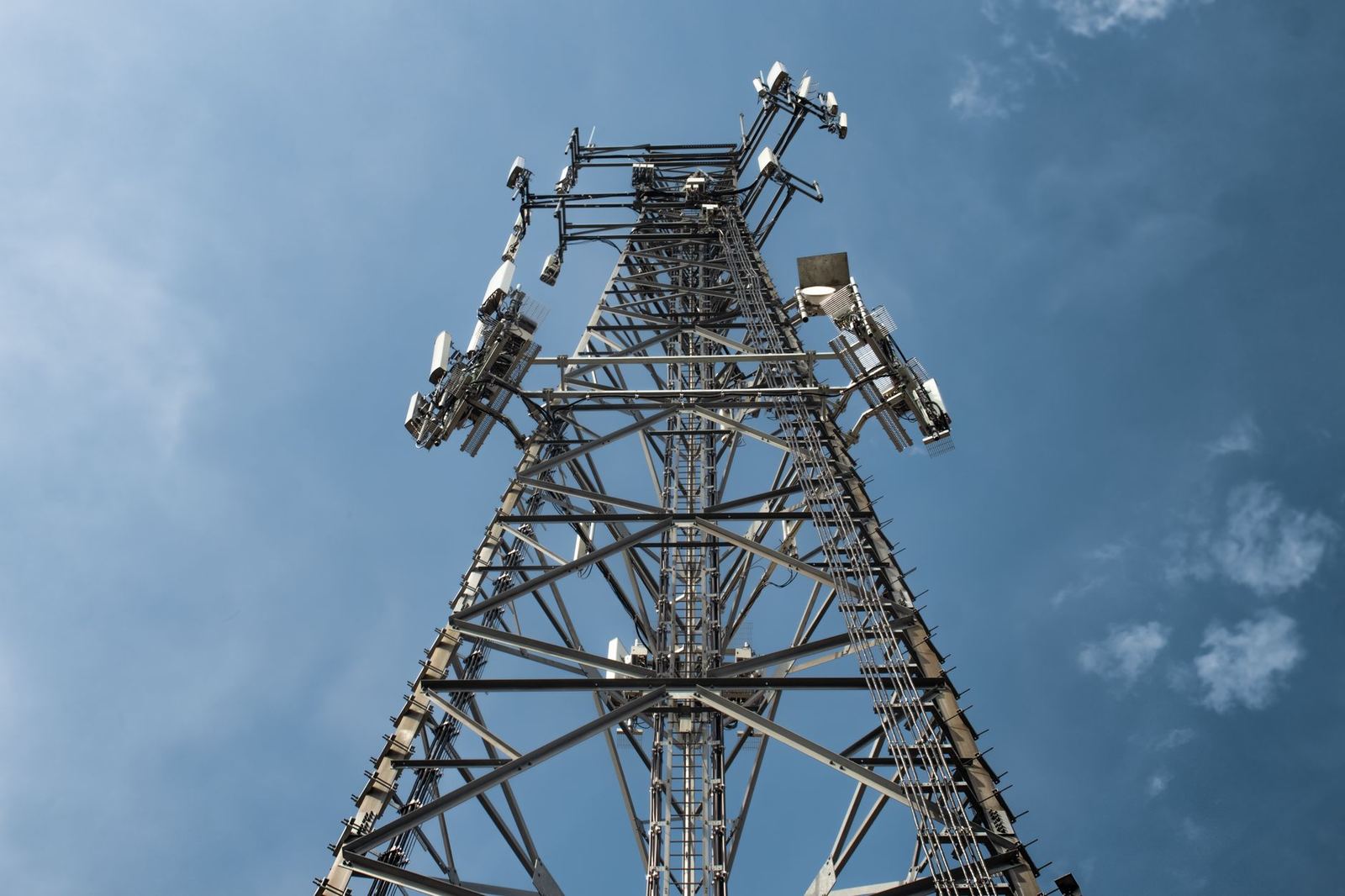
When many small devices must reach a hub by relaying through each other, a mesh helps. The Bluetooth SIG explains that in a mesh topology nodes connect directly to each other without a central hub, so data can reach nodes beyond the source’s own range.
Three families dominate this space:
- Zigbee and Thread are characterized by low power consumption and low data rates, and are most commonly used for control and monitoring in the smart home space.
- Z-Wave is a proprietary home automation protocol. Its band is designed to avoid interference with the 2.4 GHz ISM band and extend coverage.
- Bluetooth Mesh lets Bluetooth LE devices relay messages across a large area, as in smart lighting.
Zigbee tops out at up to 250 kbps, and TagoIO notes it requires a Zigbee hub or gateway for internet connectivity. That suits small status messages rather than video.
Cellular and LPWAN for devices far away
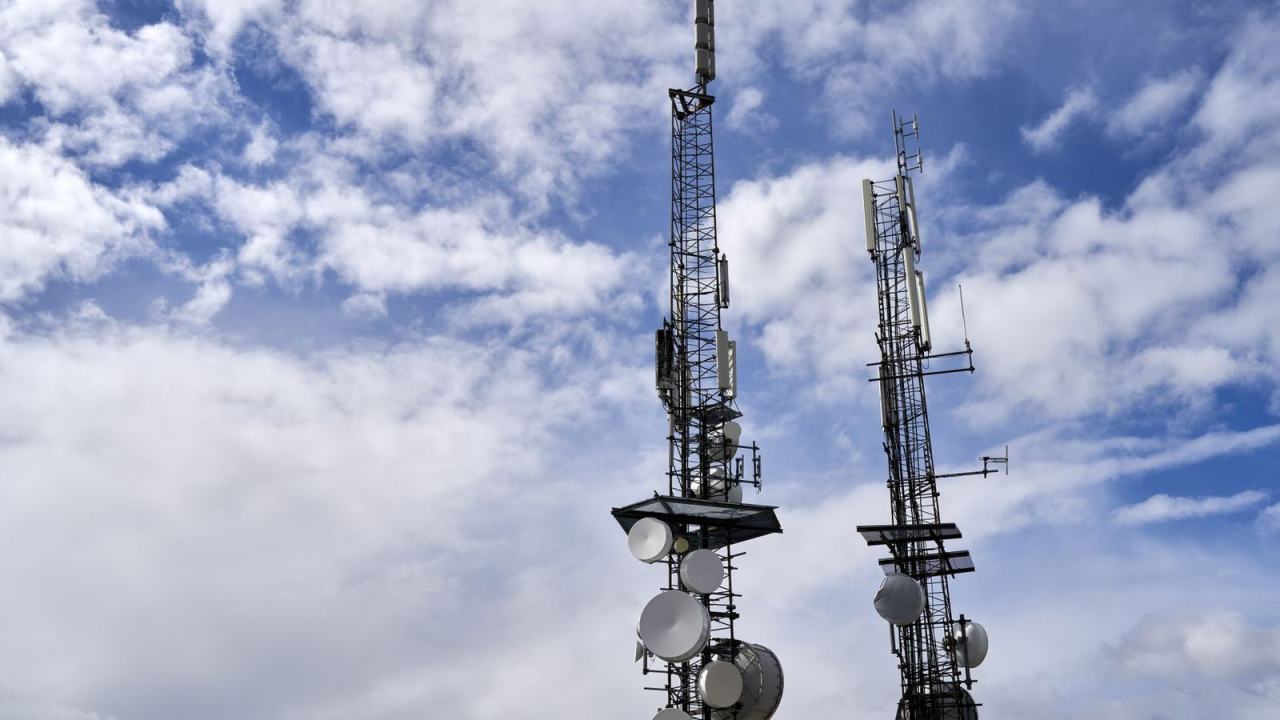
When devices sit kilometers from anyone, look at LPWAN and cellular. TagoIO reports that LoRaWAN reaches up to 15-20 kilometers in rural areas, carries up to 50 kbps, and can run for years on a single battery.
LoRaWAN uses unlicensed bands: 868 MHz in Europe and 915 MHz in North America. The same source adds that it typically requires a gateway for internet access.
Cellular IoT, such as LTE-M and NB-IoT, rides on licensed networks. Meteo Scientific points out that every device needs a SIM card (or eSIM) and a monthly subscription. Argenox adds that cellular brings broader coverage and greater independence, but often higher costs and power requirements than short-range options.
Speed is the other trade. Argenox says NB-IoT prioritizes power saving over speed, so latency can reach several seconds, which is acceptable for smart meters. If you are weighing the two LPWAN families head to head, the comparison of lorawan vs nb-iot goes further.
How do you match a technology to your device?
Work through the checks below in order, and drop any option that fails one.
- Write down the real distance between the device and its nearest gateway, hub or phone.
- Estimate the payload size and how often it is sent.
- Note the power source and the battery life you must reach.
- Decide whether the device needs direct internet access or can use a gateway.
- Add up module, certification and recurring connectivity costs for the whole fleet.
The pattern is usually clear. A battery sensor in a field points to LPWAN, a wall-powered camera points to Wi-Fi, and a wearable that syncs with a phone points to Bluetooth LE.
Security and cost checks before you commit
Every wireless technology has its own security model, and Novel Bits stresses they are not all equal. For products that handle sensitive data, it recommends going beyond the defaults with application-layer encryption. Our guide to iot security best practices covers the wider picture.
Cost shows up in several places, according to Novel Bits: the module, the antenna design, certification fees and recurring connectivity plans. Cellular subscriptions can add up fast across thousands of devices. LoRaWAN sits in the middle, since you can deploy your own gateway and avoid recurring fees, or use a public network such as The Things Network.
Frequently asked questions
Which connectivity suits a battery-powered sensor?
Show answer
Low-duty options such as Bluetooth LE or a LoRaWAN link are the usual candidates, while Wi-Fi tends to drain small cells quickly. If the sensor is also remote, the long-range LPWAN route avoids building a local network around it.
Can Wi-Fi cover a remote site?
Show answer
Rarely. Wi-Fi expects an access point nearby, so a remote field or pipeline usually needs LPWAN or cellular instead, unless you are willing to install relay equipment.
Do all of these options need a gateway?
Show answer
No. Wi-Fi and cellular devices can reach the internet directly, whereas Zigbee and LoRaWAN devices usually rely on a hub or gateway. Bluetooth LE devices commonly pair with a smartphone instead.
Is a cellular plan worth paying for?
Show answer
That depends on what a coverage gap would cost you. A subscription means recurring fees per device, but you avoid operating your own radio network and gain wide-area mobility.